Categories
buisness

Choosing Best Outdoor Carpet for Wood Decks

Introduction:

When it comes to transforming your wood deck into a cozy and inviting outdoor space, choosing the right outdoor carpet is crucial. The perfect outdoor carpet not only enhances the aesthetic appeal of your deck but also provides comfort and durability. In this guide, we’ll explore the key factors to consider and highlight some of the best outdoor carpet options for wood decks.

Factors to Consider:

  1. Material:
    • Polypropylene: Known for its resistance to stains, mold, and mildew, polypropylene is a popular choice for outdoor carpets. It is durable and retains its color well under sunlight.
    • Nylon: Nylon carpets are known for their resilience and ability to withstand heavy foot traffic. They are also resistant to stains and fading, making them a durable choice for outdoor use.
    • Polyester: While not as resilient as nylon, polyester carpets are soft and offer good resistance to water and UV rays. They are a budget-friendly option for outdoor spaces.
  2. Weather Resistance:
    • Look for outdoor carpets with excellent weather resistance to ensure they can withstand rain, sun, and other outdoor elements without deteriorating. UV-resistant materials are particularly important to prevent color fading over time.
  3. Backing Material:
    • Opt for outdoor carpets with a durable and breathable backing material. This helps prevent the growth of mold and mildew by allowing proper air circulation.
  4. Texture and Pile Height:
    • Consider the texture and pile height based on your preferences and the intended use of the outdoor space. Low-pile carpets are easier to clean and maintain, while higher-pile options may offer more comfort.
  5. Size and Shape:
    • Measure your deck accurately to determine the appropriate size for the outdoor carpet. Consider whether you want a full coverage carpet or one that defines specific seating or dining areas.

Transform your wood deck into a stylish and comfortable outdoor retreat with best outdoor carpet for wood decks , combining durability, weather resistance, and aesthetic appeal.

Best Outdoor Carpet Options:

  1. DII Contemporary Reversible Area Rug:
    • Made of recycled plastic, this eco-friendly rug is not only durable but also resistant to fading and stains. Its reversible design allows for an extended lifespan.
  2. BalajeesUSA Outdoor Patio RV Camping Rug:
    • Crafted from polypropylene, this lightweight and easy-to-clean rug come in various sizes and colors. Its breathable design prevents the growth of mold and mildew.
  3. Nourison Aloha Floral Indoor/Outdoor Area Rug:
    • This rug combines style with durability, featuring a polypropylene construction and vibrant floral patterns. It is UV resistant and suitable for various outdoor settings.
  4. Mad Mats Oriental Turkish Indoor/Outdoor Floor Mat:
    • Known for its unique patterns and colors, this polypropylene rug is not only visually appealing but also resistant to mold, mildew, and UV rays.

Conclusion:

Enhancing your wood deck with the best outdoor carpet involves careful consideration of materials, weather resistance, and overall design. By selecting a carpet that aligns with your preferences and the specific demands of your outdoor space, you can create a comfortable and stylish retreat that will withstand the elements for years to come. Explore the diverse options available, keeping in mind the factors mentioned, and transform your wood deck into a welcoming oasis.

Categories
buisness

Perlite in Hydroponics: A Lightweight Solution for Healthy Plant Growth

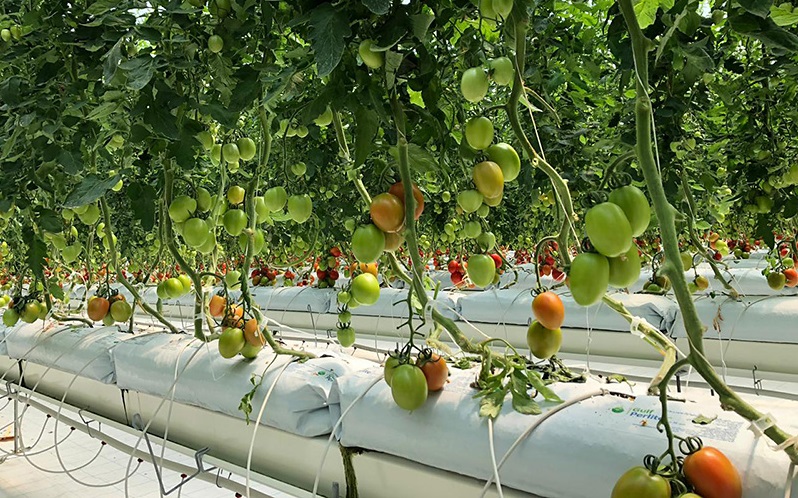
Perlite is a versatile and popular hydroponic substrate known for its lightweight and porous nature. It’s a favored choice among hydroponic growers due to its excellent aeration and drainage properties. In this 800-word blog post, we’ll explore perlite’s characteristics, benefits, and how to use it effectively in your hydroponic system. For more information regarding hydroponic plant one can visit our site https://hydroponicglobal.com.au/.

Understanding Perlite:

Perlite is a naturally occurring volcanic glass that undergoes a high-temperature expansion process, puffing up like popcorn. This expansion results in a lightweight, white, granular material with a unique structure characterized by tiny, sealed air pockets.

Advantages of Using Perlite in Hydroponics:

1. Aeration: Perlite’s most significant advantage is its exceptional aeration properties. The porous structure allows for the easy exchange of oxygen and carbon dioxide around plant roots, promoting healthy root growth.

2. Drainage: Perlite’s porous nature also ensures efficient drainage, preventing waterlogged roots and root rot. This is especially valuable in hydroponic systems, where overwatering can be a concern.

3. pH Neutral: Perlite is pH neutral, which means it won’t significantly affect the pH of your nutrient solution. This provides greater control over your system’s pH levels.

4. Reusable: Perlite can be cleaned and sterilized for reuse in subsequent growing cycles, making it an environmentally friendly choice.

5. Lightweight: Its lightweight nature is advantageous for easy handling and transportation of the growing medium.

6. Versatile: Perlite is suitable for various hydroponic systems, including container gardening, flood and drain systems, and drip systems.

Using Perlite in Hydroponics:

Here’s how to effectively use perlite in your hydroponic system:

1. Prepare the Medium:

– Perlite can be used on its own or mixed with other substrates, depending on your specific needs. It’s often blended with coconut coir or vermiculite to improve water retention while maintaining good aeration.

2. Container or Hydroponic System:

– Fill your containers or hydroponic system with the perlite-based medium. Ensure proper drainage to prevent waterlogging.

3. Planting:

– Plant your hydroponic crops as you would in soil, making sure the roots have good contact with the perlite. Monitor plant spacing and follow recommended guidelines for your specific crop.

4. Irrigation:

– Depending on your crop’s requirements, set up a watering schedule. Perlite drains quickly, so you may need to irrigate more frequently than with other substrates.

5. Nutrient Solution:

– Maintain your nutrient solution at the appropriate pH and EC levels. Perlite’s neutral pH allows you to have better control over your nutrient solution’s pH.

6. Monitoring:

– Regularly check the moisture levels in the perlite and ensure that your plants are not becoming waterlogged or dehydrated.

7. Reuse and Maintenance:

– After the growing cycle, perlite can be reused. To prepare it for reuse, clean and sterilize it thoroughly to eliminate any potential pathogens.

Tips for Using Perlite:

– When handling perlite, use proper protective gear, including gloves and a mask, as the dust can be irritating to the skin and respiratory system.

– Consider using perlite in combination with other hydroponic substrates to optimize water retention and aeration for your specific crop.

– Perlite may float in some hydroponic systems. To prevent this, you can cover the surface with a layer of plastic or mesh to hold the perlite in place.

Conclusion:

Perlite is a valuable hydroponic substrate known for its exceptional aeration and drainage properties. It provides an ideal environment for healthy root growth and can be used in various hydroponic systems. Whether you’re growing leafy greens, vegetables, or flowering plants, perlite can help you achieve robust and vigorous plant growth in your hydroponic garden. Just remember to maintain proper irrigation and nutrient levels and consider its lightweight nature when handling and arranging your hydroponic system.